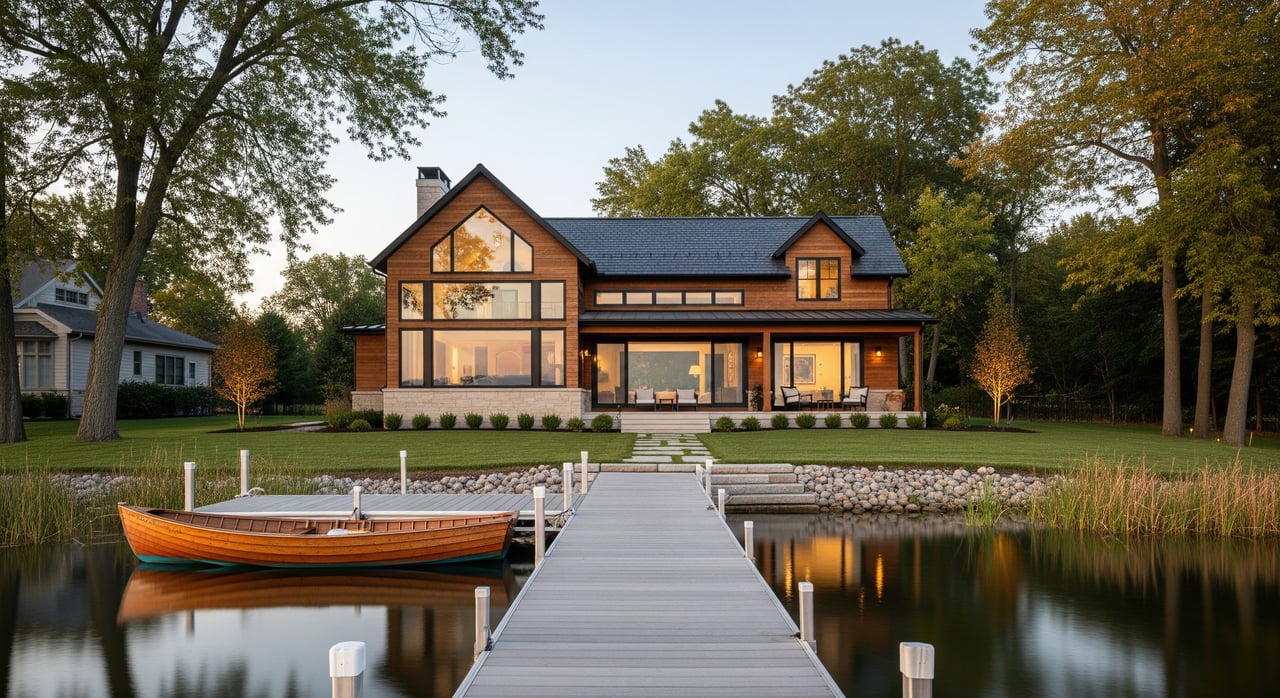
Dreaming of quiet mornings on Tippecanoe Lake or easy weekends near Lake Wawasee? Financing a waterfront second home around Leesburg works differently than your primary mortgage, and the details can impact your budget and timeline. You want clear steps, local insights, and realistic numbers before you make an offer. In this guide, you’ll learn which loans fit second homes, what lenders expect, and the costs to plan for in Kosciusko County so you can move forward with confidence. Let’s dive in.
What counts as a second home
A second home is a place you plan to occupy part of the year, not your primary residence. Around Leesburg, this often includes seasonal or year-round lake cottages. For conventional financing, lenders look for year-round livability, proof that you maintain a primary residence elsewhere, and appropriate distance between your primary and second home. If you intend to rent the property regularly, lenders may classify it as an investment instead of a second home.
Loan options that work
Conventional second-home loans
Conventional mortgages through Fannie Mae or Freddie Mac are the most common choice for second homes. Lenders underwrite based on your credit, debt-to-income ratio, down payment, and cash reserves. The property must be suitable for year-round occupancy, even if you plan to use it seasonally.
Portfolio and jumbo loans
Local banks and credit unions sometimes keep loans in-house, called portfolio loans. These can be useful for unique waterfront features, such as older septic systems or shoreline conditions. For higher-priced lake homes that exceed conforming loan limits, jumbo loans apply and usually require larger down payments and more reserves.
Using equity from your home
If you have strong equity in your primary home, you can explore a cash-out refinance, home equity loan, or HELOC to fund the purchase or the down payment on your second home. Lenders will look at combined loan-to-value limits and any seasoning rules.
Loans that do not apply
FHA, VA, and USDA loans are meant for primary residences and generally are not available for second homes. These programs require you to occupy the home as your main residence.
If you plan to rent
Short-term or long-term rentals can change your loan type to an investment property. Investment loans typically require bigger down payments and carry higher rates than second-home loans. Local zoning, HOA, and lake association rules may also affect rental use.
What lenders will expect
Down payment norms
- Conventional second-home loans often require 10 to 20 percent down. Many buyers plan for 20 percent to avoid stricter overlays.
- Investment properties generally need 20 to 25 percent down. Jumbo loans may require 20 to 30 percent depending on size and profile.
Cash reserves
- Expect higher reserves than a primary mortgage. A common range is 6 to 12 months of total payments, including principal, interest, taxes, and insurance.
Credit and debt-to-income
- Stronger credit scores help, with better pricing typically at 720 and higher. Lenders often prefer a lower debt-to-income ratio for second homes, commonly at or below 45 percent.
Interest rates and PMI
- Rates for second homes are usually a bit higher than primary residence rates. A modest premium is common, while investment properties carry larger premiums.
- If you put less than 20 percent down on a conventional loan, private mortgage insurance may be required.
Appraisal and property condition
- Waterfront appraisals consider flood risk, shoreline stability, septic systems, well functionality, and year-round livability. Lenders may require added inspections for older cottages.
Costs to budget in Leesburg
Property taxes in Kosciusko County
Property taxes are set at the county level and can be higher for waterfront parcels due to assessed value. Primary-residence homestead deductions do not apply to second homes. Plan for local recording fees, title insurance, and typical closing costs. Check for any special assessments tied to lakeshore improvements or drainage.
Insurance for lake homes
Waterfront homes often carry higher homeowners insurance premiums because of wind and water exposure. Flood insurance is separate from your homeowners policy and may be required by the lender if the home is in a FEMA Special Flood Hazard Area. Even outside high-risk zones, many buyers choose a flood policy given proximity to the water. Private flood options exist, and pricing depends on elevation, mitigation features, and claims history.
Title, easements, and docks
Title work should confirm riparian rights, dock permissions, and any recorded easements or restrictions. Make sure any existing shoreline improvements are permitted and properly recorded.
Septic, wells, and health rules
Many lake cottages use private wells and septic systems. Lenders commonly require inspections to verify functionality and compliance with local health standards. Replacement needs can impact eligibility or create repair escrows.
Shoreline regulations
Indiana agencies and local authorities regulate dock placement, seawalls, and shoreline modification. Confirm what is allowed before planning major improvements.
Utilities and winterization
If you plan seasonal use, factor in winterization to protect plumbing and HVAC. Lenders want assurance that the property is suitable for year-round occupancy for second-home classification.
Step-by-step plan
- Get pre-approved with a lender experienced in second-home waterfront financing. Ask about flood insurance, septic and well requirements, down payment, and reserve rules.
- Choose your path: conventional second-home mortgage, portfolio or jumbo loan, or equity from your primary home.
- Order key inspections early. Prioritize septic, well, roof, and structural checks. If flood risk is unclear, obtain an elevation certificate for more accurate insurance quotes.
- Confirm the flood zone status. If in a Special Flood Hazard Area, plan for a required flood policy.
- Review local rules. Check with county offices and any lake association or HOA for docks, shoreline work, and rental use.
- Budget for full carrying costs. Include taxes, higher insurance, potential flood insurance, utilities, and seasonal maintenance.
- Align your usage plan with financing. If you want rental income, make sure the loan type and local rules support it.
Avoid common surprises
- Assuming primary-home loan terms. Second-home financing usually needs more down, stronger credit, and higher reserves.
- Overlooking flood insurance. Many waterfront homes need a separate flood policy, which can change your monthly budget.
- Skipping septic and well checks. Repairs can be significant and may affect loan approval.
- Ignoring shoreline permissions. Docks and seawalls may require permits or recorded rights.
- Counting on rental income. If you intend to rent, rules and loan terms may change your financing.
Ready to start?
You do not have to navigate this alone. The Barrera Team pairs deep local knowledge of Leesburg and Kosciusko County with a smooth, full-service buying experience. We will help you evaluate financing paths, line up the right inspections, and coordinate the details so your lake-home purchase stays on track. Prefer Spanish or English, or need flexible communication? We are here for you. Reach out today to get clarity on your next steps and get your free home valuation.
FAQs
Can I use an FHA loan for a Leesburg vacation home?
- Generally no. FHA financing is intended for primary residences, not second homes.
How much down payment is typical for a second home?
- Plan for 10 to 20 percent down on conventional loans. Many buyers target 20 percent to avoid stricter overlays or PMI.
Will my second-home mortgage rate be higher?
- Usually yes. Expect a modest premium compared to primary-home rates, with a larger premium for investment property loans.
Do I need flood insurance for a lake cottage?
- If the property is in a FEMA Special Flood Hazard Area and you have a mortgage, a flood policy will be required. Many buyers purchase flood coverage even outside high-risk zones due to waterfront exposure.
Which inspections are most important for waterfront homes?
- Septic and well inspections, plus structural and roof checks, are key. An elevation certificate can help determine flood insurance needs.
Are there tax benefits for owning a second home in Indiana?
- Mortgage interest and property taxes may be deductible subject to federal rules and limits. If you rent the property, tax treatment changes and may include depreciation with careful compliance.