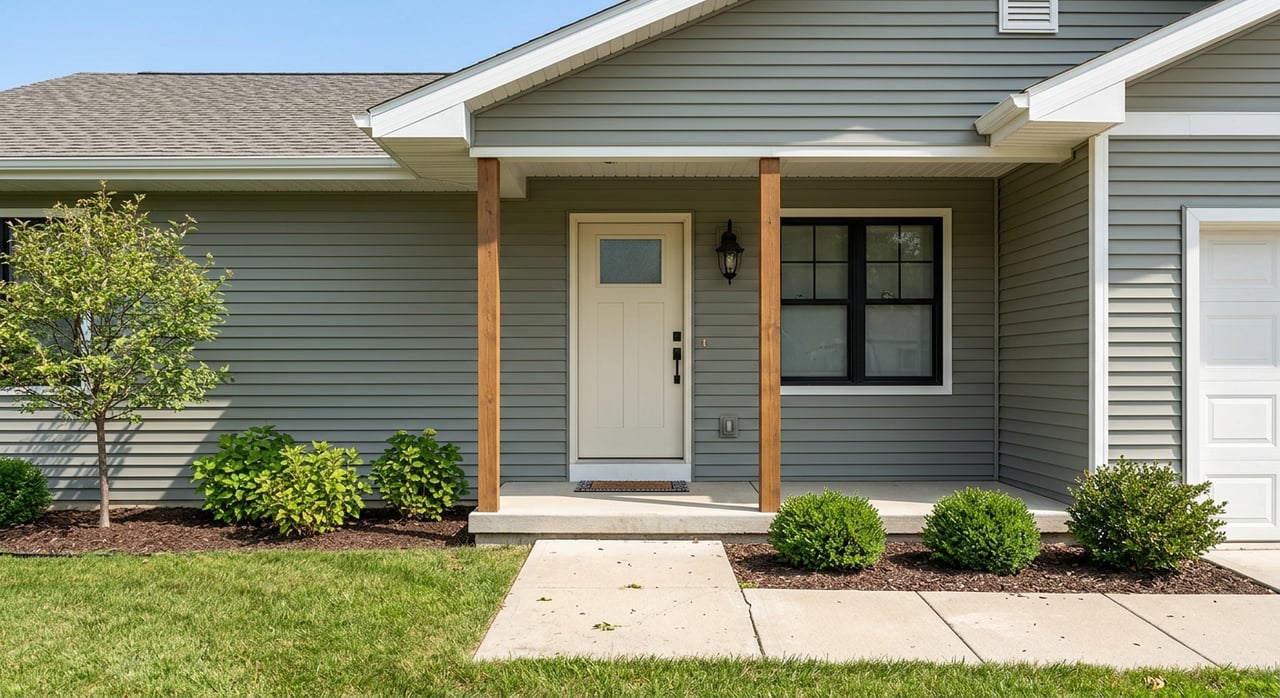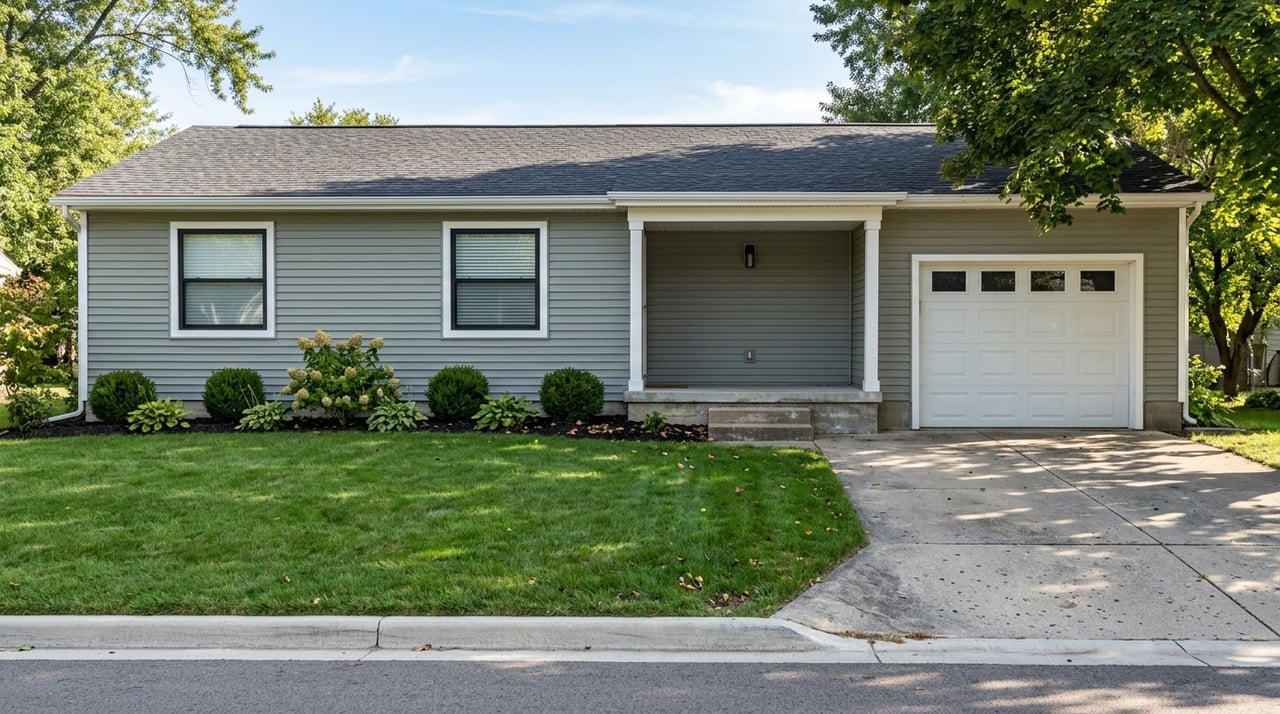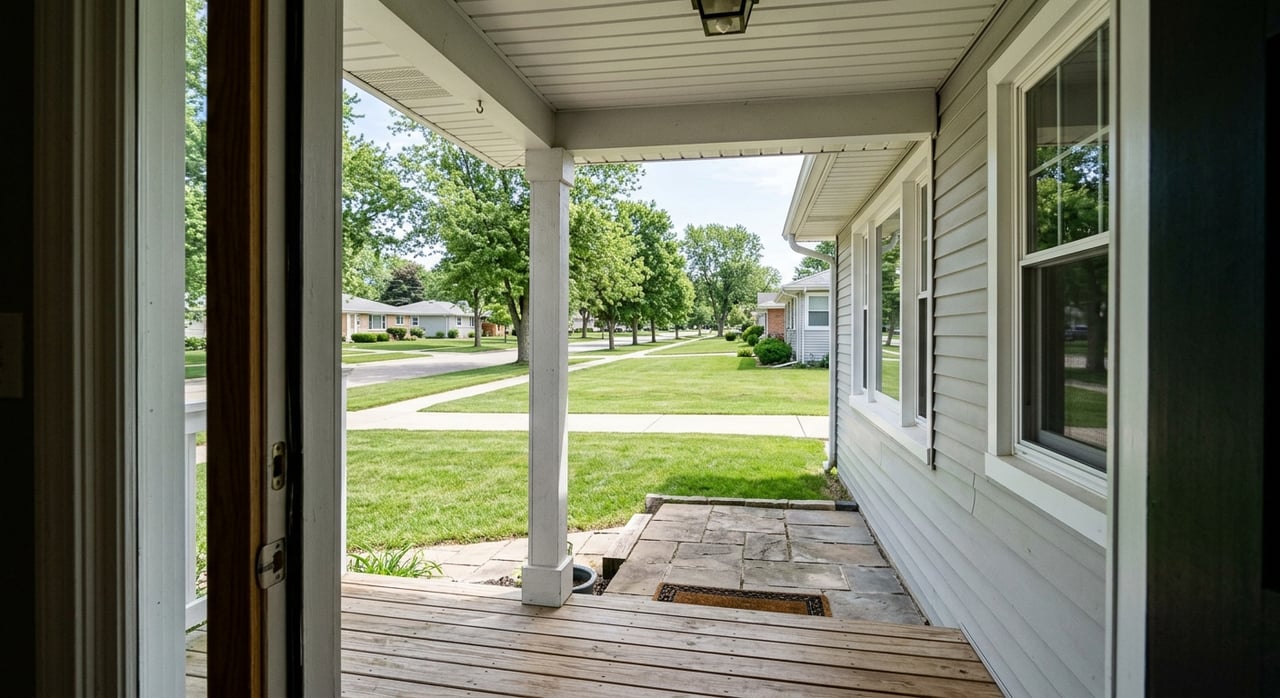
Buying or selling a home in Warsaw can feel exciting right up until the inspection is scheduled. That is often the moment when questions start piling up, because you want to know what the inspector will look at, what the report really means, and what happens next if issues come up. The good news is that a home inspection in Indiana follows a clear framework, and once you understand the process, it becomes much easier to navigate. Let’s dive in.
What a home inspection covers in Indiana
In Indiana, a home inspection is a licensed, visual review of a home’s accessible systems and components. That usually includes the roof, structure, foundation, attic, basement or crawlspace, heating and cooling systems, plumbing, electrical, exterior, and interior features.
Inspectors also look at visible items like stairs, railings, cabinets, doors, windows, and garage doors. The goal is to give you a clearer picture of the home’s current condition, not to guarantee that every hidden issue will be found.
It is important to know what the inspection is not. In Indiana, it is not a code-compliance inspection, and it is not technically exhaustive. If something was not inspected, the report should identify that item and explain why it was not evaluated.
Why inspector licensing matters
Indiana licenses home inspectors through the Professional Licensing Agency. To become licensed, inspectors must complete approved training, pass the National Home Inspector Examination, carry at least $100,000 in liability insurance, and complete continuing education for renewal.
For you, that means it is reasonable to confirm that the inspector is properly licensed before the inspection takes place. It is also smart to make sure the inspector is independent so the process stays focused on an objective review of the property.
What the inspection report should tell you
A home inspection report should do more than create a long to-do list. Under Indiana standards, the inspector must identify systems or components that are significantly deficient or near the end of their service life.
The report should also explain the issue when the reason is not obvious and note whether the item should be repaired or monitored. That distinction matters because not every comment in a report has the same importance.
A loose doorknob or small cosmetic flaw is usually very different from a roof issue, electrical concern, or failing HVAC system. When you read the report, the biggest attention usually goes to items that affect safety, function, or major future costs.
What a standard inspection does not include
Many buyers and sellers assume a home inspection covers everything. In Indiana, that is not the case.
A standard inspection does not include environmental hazards such as radon or mold. It also does not include wood-destroying insects and organisms, or subterranean systems such as sewage disposal, water supply, and fuel storage or delivery.
In practical terms, that means you may need separate follow-up inspections depending on the property. In the Warsaw area, that can be especially relevant if the home has a basement, private well, septic system, or other features outside a standard inspection’s scope.
Common inspection issues in Warsaw homes
While every property is different, some issues come up more often in northern Indiana homes. In Warsaw and across Kosciusko County, moisture and water management are common inspection topics.
Basement and crawlspace moisture
Indiana inspection standards specifically include basements, crawlspaces, attics, insulation, vapor retarders, and foundation ventilation. In northern Midwest homes, common sources of moisture problems include grading, gutters, downspouts, window wells, and drain-tile or sump issues.
If you are buying a home with a basement or crawlspace, expect the inspector to pay close attention to signs of dampness, water intrusion, staining, musty odors, or drainage concerns. If you are selling, it helps to know these areas may get extra scrutiny.
Winter-related wear and risks
Northern Indiana winters matter during a home inspection. Guidance from Purdue Extension notes that this region should prepare for increased snowfall, and winter conditions can put extra stress on insulation, caulking, weather-stripping, windows, plumbing, and heating systems.
If a report mentions exposed pipes, insulation gaps, or heating concerns, those comments may carry extra weight in our local climate. Freezing temperatures and winter power failures can also damage plumbing, so these issues are worth understanding early.
Radon as a follow-up test
Radon is a common concern, but it is not part of the standard Indiana home inspection. The Indiana Department of Health recommends that all residents test their homes, and the state requires radon testers and mitigators to be certified.
For many Warsaw buyers, radon is best thought of as an add-on test rather than something automatically included. If you want that information, it is wise to ask about it early in the inspection period.
Well and septic follow-up
Some Warsaw-area properties are not connected to city utilities. If a home has a private well, Indiana says the water is unregulated and should be tested at least annually for bacteria and nitrate, with added testing for fluoride, arsenic, lead, and copper at least every five years or after major maintenance.
Kosciusko County also maintains local well and septic resources, which makes these systems an important part of the local inspection conversation. Since private well and septic issues fall outside a standard home inspection, buyers should not assume the general inspection covers them.
Pest and termite concerns
Wood-destroying insects and organisms are excluded from a standard Indiana home inspection. If there is any concern about termites or other pest-related damage, that should be handled through a separate inspection.
This is an easy detail to miss, especially for first-time buyers. If the home shows signs that raise questions, it is better to schedule that extra evaluation right away rather than assume the general inspection already covered it.
How the inspection timeline works
The inspection timeline is set by the purchase agreement, not by one universal statewide deadline. That means your contract controls how quickly you need to act.
An Indiana Association of REALTORS legal FAQ example shows a buyer with 12 days to submit an inspection response and the option to invoke an additional 5 days for further inspections through written notice. The seller did not have to agree to that extra time.
The takeaway is simple: the inspection window can move fast. If you may want radon testing, pest inspection, well-water testing, septic review, or another specialty service, it is best to schedule those early.
What happens when the report finds problems
Inspection reports almost always contain some notes, even on well-maintained homes. The key question is not whether the report is perfect. It is which items actually matter for your decision and your negotiation.
When defects are identified, the buyer must provide the report to the seller and give the seller an opportunity to remedy the defects. If the seller cannot or will not address the issues to the buyer’s reasonable satisfaction, the buyer may terminate through a mutual release or waive the defects and continue toward closing.
That is why it helps to look at the report in layers:
- Major concerns: significant deficiencies or items near the end of service life
- Moderate concerns: repairs that may need attention soon but are not deal-breakers
- Routine maintenance: minor wear, upkeep items, and cosmetic notes
This approach can keep the conversation productive. It also helps you avoid treating every line in the report as equally urgent.
How inspection negotiations often play out
A home inspection is not automatically a demand for the seller to fix every item. More often, it is a chance for both sides to focus on the issues that most affect condition, function, or future cost.
Depending on the findings, negotiations may involve:
- Seller repairs before closing
- A credit or price adjustment
- Monitoring certain items rather than repairing them now
- Additional specialty inspections before making a final decision
In Kosciusko County, market pace still matters. With 32 days on market and homes selling at 97.4% of list price in the week of February 16, 2026, calm and timely responses can make a real difference when inspection issues come up.
Why repair language matters
If buyer and seller agree on repairs, clear documentation is important. Vague wording can create confusion later about what was supposed to be done.
The Indiana Association of REALTORS legal guidance also notes that the buyer may inspect the property again before closing to confirm that agreed repairs were completed and that the property was maintained. A clean paper trail makes that final check much easier.
How a local agent helps during inspection
The inspection report gives you information, but it does not always give you complete answers. Because Indiana inspections are visual and limited in scope, buyers and sellers often still need help deciding what is routine, what is serious, and what needs a specialist.
That is where local guidance matters. In Warsaw, a knowledgeable agent can help you separate standard maintenance notes from issues that deserve stronger attention or follow-up.
A local agent can also help coordinate the next steps when needed. Depending on the property, that may include radon testing, well-water testing, septic review, or a pest inspection.
Just as important, a strong agent helps keep the process moving. Staying on top of deadlines, getting responses in writing, and making repair requests clear can prevent a stressful inspection phase from turning into a delayed or failed transaction.
What buyers should remember
If you are buying in Warsaw, go into the inspection with realistic expectations. You are not looking for a perfect house. You are looking for a clear understanding of the home’s condition and whether any issues change your comfort level, budget, or next steps.
Try to focus on the items that are significant, expensive, or tied to local concerns like moisture, winter performance, radon follow-up, or private utility systems. That mindset can help you make a smart decision without getting overwhelmed by a long report.
What sellers should remember
If you are selling, the inspection is often less about surprise and more about preparation. Buyers may raise questions about moisture, drainage, roofing, heating, plumbing insulation, or systems nearing the end of service life.
Knowing that ahead of time can help you respond more confidently. A calm, organized response and clear repair documentation can go a long way toward keeping your sale on track.
If you are getting ready to buy or sell in Warsaw, having local guidance during the inspection period can make the process feel much more manageable. For clear next steps, responsive support, and full-service help from contract to closing, connect with The Barrera Team.
FAQs
What does a home inspection include in Warsaw, Indiana?
- In Warsaw, a standard Indiana home inspection is a licensed visual review of accessible parts of the home, including the roof, structure, foundation, attic, basement or crawlspace, HVAC, plumbing, electrical, exterior, interior, and visible components like doors, windows, stairs, and garage doors.
What is not included in a standard Indiana home inspection?
- A standard Indiana home inspection does not include environmental hazards like radon or mold, wood-destroying insects and organisms, or subterranean systems such as sewage disposal, water supply, and fuel storage or delivery.
Are radon tests included with a home inspection in Warsaw?
- No. Radon testing is not part of the standard Indiana home inspection, so if you want radon results for a Warsaw home, you should ask about scheduling it as a separate service during the inspection period.
How long do buyers have for a home inspection in Indiana?
- The inspection deadline comes from the purchase agreement, so the exact timing varies by contract. An Indiana Association of REALTORS legal FAQ example showed 12 days to submit an inspection response, with possible written notice for additional time for further inspections.
What inspection issues are common in northern Indiana homes?
- In northern Indiana, common inspection concerns often include basement or crawlspace moisture, drainage issues tied to grading or gutters, insulation gaps, exposed pipes, heating-system concerns, and follow-up questions about radon, wells, septic systems, or pests.
Can a buyer ask for repairs after a home inspection in Warsaw?
- Yes. If the inspection identifies defects, the buyer can provide the report to the seller and give the seller an opportunity to address those issues. If the concerns are not resolved to the buyer’s reasonable satisfaction, the buyer may choose to terminate through a mutual release or waive the defects and move forward.