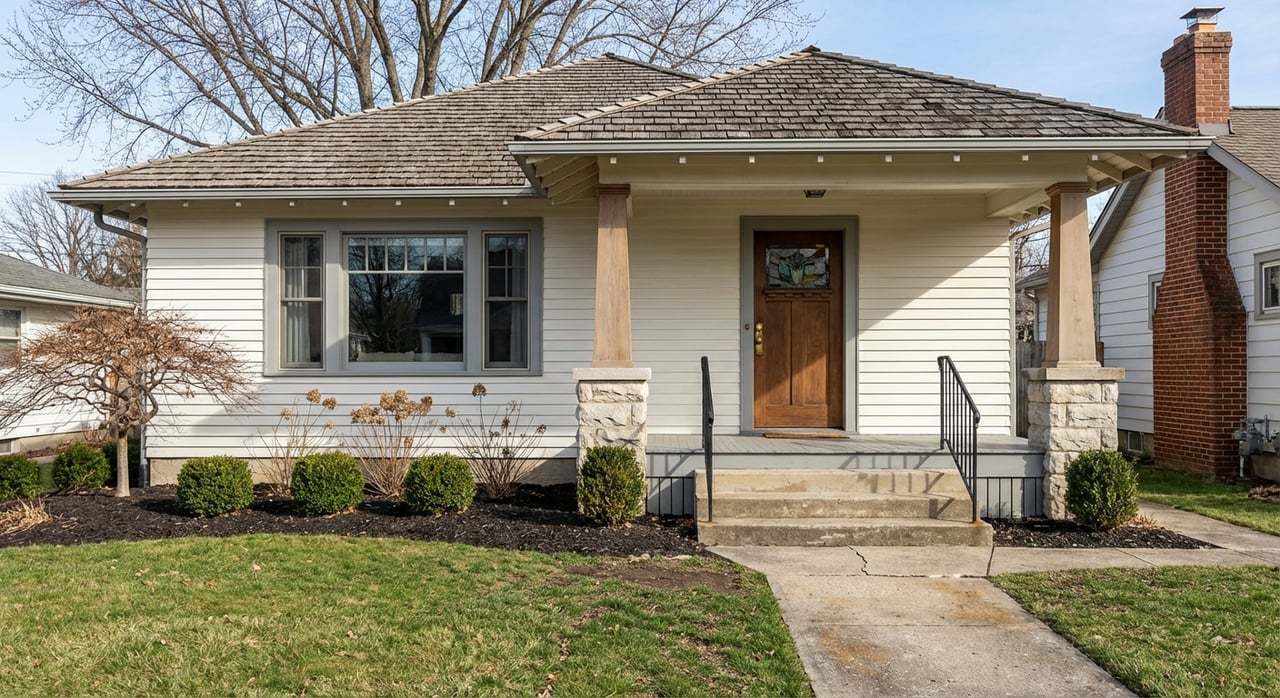
Love the charm of original woodwork, wraparound porches, and tree-lined streets in Goshen, but worried about what you do not know? You are not alone. Buying a historic home can be incredibly rewarding if you understand the rules, the inspections, and the costs that come with older properties. This guide walks you through where to find character homes in Goshen, what to check before you buy, and how to plan smart upgrades that respect the home’s history and your budget. Let’s dive in.
Why Goshen’s historic homes stand out
Goshen’s downtown and nearby residential blocks include the National Register–listed Goshen Historic District, which features hundreds of contributing buildings dating from about 1840 to 1930. You will see a mix of architectural styles, including Italianate and Queen Anne, across commercial and residential buildings. Learn more about the area’s significance in the summary for the Goshen Historic District.
If you are drawn to older homes, focus your search near downtown and along the historic Lincoln Highway route through Goshen. Before you plan any exterior updates, confirm whether the property sits in a National Register district or local overlay that could affect design review. When in doubt, ask the City what applies to your address.
Know the rules before you renovate
National Register vs local rules
National Register listing recognizes a property’s historic value, but it does not automatically stop you from making changes as a private owner. Local ordinances, preservation commissions, or recorded easements create enforceable design review. If you plan exterior work, confirm any local requirements early. For best practices, reviewers often look to the National Park Service’s preservation standards.
Permits and permit history
In Goshen, the Building Department issues permits for construction, roofing, window replacement, mechanical, electrical, and more. Expect permitted records for roof, electrical, plumbing, and HVAC work. Review the City’s page for scope and contacts at the Goshen Building Department, and confirm past renovations using the City’s online permit portal. A clean permit history helps you forecast future costs and avoid surprises with lenders or insurers.
Grants and tax incentives
Restoring an income-producing or mixed-use building downtown? Downtown Goshen operates a matching Façade Grant Program for eligible exteriors. On larger rehabilitations of income-producing historic buildings, federal historic rehabilitation tax incentives may apply, generally a 20 percent credit for certified work administered through NPS and the IRS. Programs change over time, so verify current Indiana options and timelines before you rely on them.
What inspections should cover
Lead-based paint basics
If the home was built before 1978, federal law requires sellers to disclose known lead-based paint information and provide the EPA’s lead pamphlet. Review any available test results and consider a lead inspection or risk assessment before you waive contingencies. Learn what you should receive from sellers on the EPA’s page about lead-based paint disclosures for buyers.
If you plan to disturb paint in a pre-1978 home, contractors must follow the EPA’s Renovation, Repair and Painting Rule and be EPA-certified. Build lead-safe work practices and certification requirements into your schedule and budget. See the EPA RRP Rule for contractors.
Electrical red flags
Two wiring types in older homes often trigger extra scrutiny: knob-and-tube wiring and single-strand aluminum wiring. Both can raise safety and insurance questions. Ask your inspector to identify wiring types and get a licensed electrician’s written estimate for any needed upgrades. For background on identification and common repair approaches, see this technical overview of aluminum wiring.
Windows, roofs, and masonry
Historic windows, porch details, and masonry are key to a home’s character. National Park Service guidance encourages repair over replacement when feasible, and often suggests storm windows and better weather stripping to improve efficiency without losing original fabric. If your home contributes to a historic district, in-kind replacement may be required for exterior-facing features. Budget for porch and trim repairs, and masonry repointing, which can require skilled trades. Explore NPS best practices in their preservation guidance.
Plumbing, HVAC, and insulation
Older homes may have galvanized plumbing, aging boilers or furnaces, and limited insulation. Ask your inspector to document pipe materials, system ages, and any signs of past freezes or chronic moisture. Plan for prioritized replacements if systems are near end-of-life.
Smart due diligence checklist
Documents to request
- Permit history and inspection records for electrical, roof, HVAC, plumbing, foundation, and structural repairs. Start with the Goshen Building Department and confirm details in the City permit portal.
- Any lead-based paint inspection or risk assessment reports, plus required disclosures for pre-1978 homes. Review the EPA’s buyer disclosure guidance.
- Historical photos, prior appraisals or condition reports, and any preservation easements or recorded restrictions.
- Property records and sales history via Elkhart County resources. Begin at Elkhart County’s departments hub.
Questions for your inspector
- Electrical: Is there knob-and-tube or single-strand aluminum wiring? Is the service capacity sufficient, and are there ungrounded outlets or overloaded circuits? If older wiring is present, recommend a licensed electrician and provide a cost range in writing.
- Lead/paint: Was the home built before 1978? Do you see deteriorated or disturbed painted surfaces that could pose a hazard? Should we order a lead test or risk assessment?
- Roof and drainage: What is the roof material and remaining life? Are gutters, grading, and drainage directing water away from the foundation?
- Structure and foundation: Any evidence of settling, active movement, or chronic moisture? Are visible sill plates, joists, or beams sound?
- HVAC and insulation: What are the ages and capacities of the furnace or boiler and AC? Is attic insulation present, and do you see any moisture or wiring issues tied to added insulation?
- Hazardous materials: Any reason to test for asbestos-containing materials or other environmental concerns? If yes, recommend qualified testing.
Ask your lender and insurer
- Lender: Do you underwrite loans on homes with knob-and-tube or single-strand aluminum wiring? If repairs are required, how does your appraisal, repair, and escrow process work?
- Insurer: Will you issue a homeowner policy if older wiring is present or the roof is near end-of-life? What upgrades are required for standard coverage and how might premiums change?
Budgeting for old-house realities
- Character-preserving repairs often cost more per feature than basic cosmetic updates because they require skilled trades and material matching. National Park Service guidance supports repair over replacement for many character-defining elements, so compare quotes with that in mind.
- System upgrades, like rewiring, HVAC replacement, and repiping, are common near-term costs. If your inspection finds knob-and-tube or aluminum wiring, get a licensed electrician’s estimate early since lenders and insurers may require remediation before closing.
- For eligible downtown, income-producing buildings, the Façade Grant and federal historic credits can offset some exterior costs. These programs require applications, reviews, and compliance steps, so build the timing into your project plan.
Local resources to start your search
- City permits and inspections: start with the Goshen Building Department and the City permit portal.
- Property records and sales history: use Elkhart County’s departments hub.
- Downtown exterior funding: review the Façade Grant Program.
- Preservation standards and how-to briefs: see NPS preservation guidance.
- Local house history and photos: visit the Goshen Historical Society & Museum.
Ready to find your Goshen classic?
If a historic home is on your wishlist, you deserve a plan that balances character, compliance, and cost. Our team pairs local know-how with a clear, step-by-step buying process, and we offer bilingual support in English and Spanish. When you are ready, connect with The Barrera Team to tour the right homes, line up expert inspections, and move forward with confidence.
FAQs
What qualifies as a historic home in Goshen?
- Many character homes cluster in and around the National Register–listed Goshen Historic District, where hundreds of buildings date from about 1840 to 1930. National Register listing signals significance but does not, by itself, control private renovations.
Do I need approval to change the exterior in Goshen’s Historic District?
- National Register status alone does not create design review. Local ordinances or recorded easements do. Confirm with the City whether your address sits in a local overlay or requires review before exterior changes.
How do I check if past renovations were permitted in Goshen?
- Review records with the City’s Building Department and search the City’s online permit portal. Ask the seller for permits and receipts for roof, electrical, plumbing, HVAC, and structural work.
What should I know about lead paint in pre-1978 Goshen homes?
- Sellers must disclose known lead information and provide the EPA pamphlet. Consider a lead inspection or risk assessment, and if you plan to disturb paint, hire EPA RRP–certified contractors and budget for compliant work.
Will older wiring affect my loan or insurance in Indiana?
- Knob-and-tube or single-strand aluminum wiring can trigger lender conditions or higher insurance premiums. Ask your lender and insurer early, and get a licensed electrician’s written estimate for upgrades.
Are there grants or tax credits for restoring downtown Goshen properties?
- For eligible downtown income-producing buildings, the local Façade Grant can help with exteriors, and federal historic rehabilitation credits may apply to certified projects. Verify eligibility and timelines before you budget.