Trying to pick the right part of Winona Lake can feel harder than picking the right house. One street puts you close to shops, trails, and community events, while another feels tucked into the trees, and another may offer direct water access with extra rules to know before you buy. If you want to understand how the Village, wooded streets, and waterfront areas actually live day to day, this guide will help you compare your options and narrow your search with more confidence. Let’s dive in.
How Winona Lake Feels Different by Area
Winona Lake is a compact lakeside town next to Warsaw, but it does not live like one uniform neighborhood. According to the town’s comprehensive plan, the community includes a 3-mile Heritage Trail, nearly 20 miles of sidewalks, a 10-mile mountain-bike network, and public lake access through its park system.
That layout shapes how different areas feel. Some pockets are more walkable and active, some are quieter and more shaded, and some center on direct lake access and boating. For most buyers, the best fit comes down to how you want to spend your time at home and how much convenience, privacy, or waterfront access matters to you.
Village Living in Winona Lake
The Village at Winona is the most walkable part of town. The town describes it as a destination on the lake for shopping, dining, play, and events, and the long-term restoration effort added new commercial and residential areas while rehabilitating nearly 30 properties after 1994, according to the town plan.
If you want to be able to get out and do more without driving as often, this area stands out. The Village sits within the sidewalk and trail network and connects easily to places like Grace College, Limitless Park, and other community destinations along the Heritage Trail.
What the housing feels like
Homes in and around the Village tend to feel more compact and street-oriented than in other parts of Winona Lake. In the historic core, the housing mix includes summer cottages, guest houses, year-round homes, bungalows, Queen Anne homes, Prairie/Foursquare examples, and Chautauqua cottages with porches facing the lake, based on the historic district documentation.
That mix creates a layered neighborhood feel rather than a uniform subdivision feel. You may notice older lot patterns, more architectural variety, and a setting that feels connected to the town’s history and activity.
Who the Village fits best
The Village is often a strong match if you want:
- Walkability to shops, dining, and events
- Easier access to sidewalks and trails
- A neighborhood feel with activity nearby
- A home base that feels connected to the center of town
If your ideal weekend includes coffee, a walk by the lake, and local events close to home, the Village may be the most natural fit.
Wooded Streets and Hillside Homes
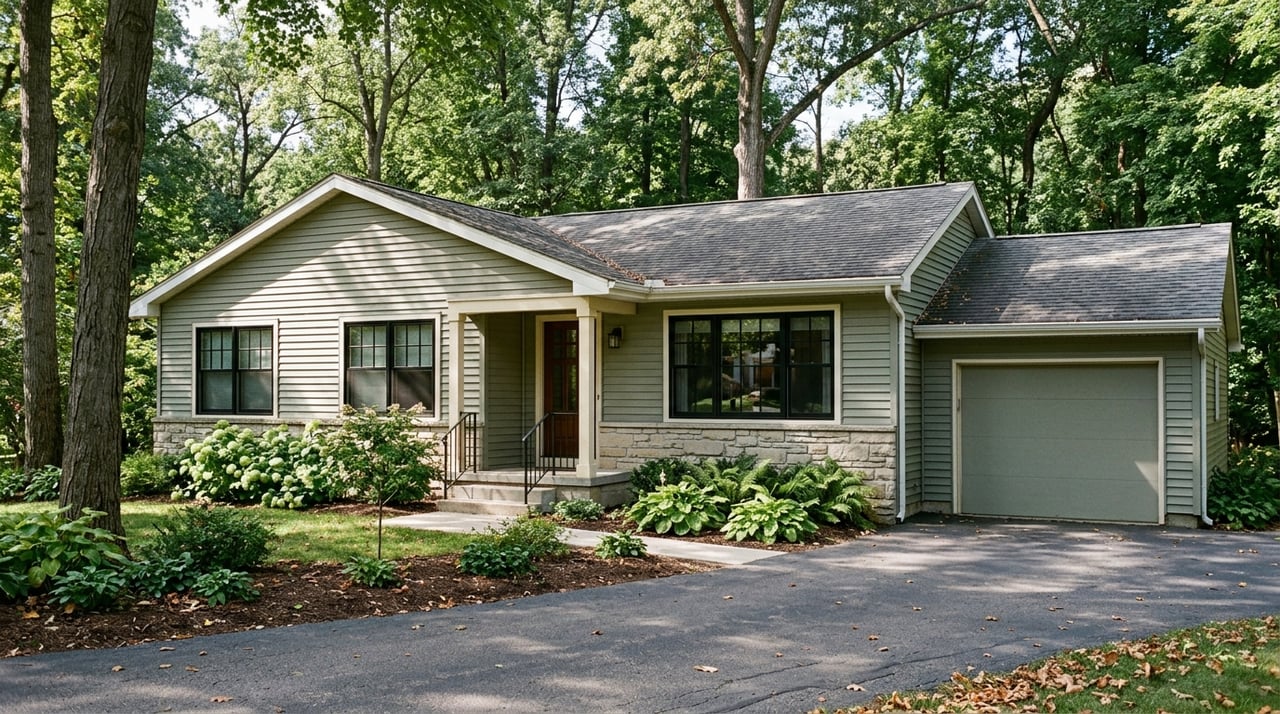
If you want a quieter setting, the wooded parts of Winona Lake offer a different experience. The town’s park and recreation master plan notes that Winona Lake includes two large mature forest tracts with beech-maple and oak-hickory communities, and local trail information describes paths winding around trees, Cherry Creek, and the former Chicago Boys Club Camp.
This part of town is defined less by commerce and more by topography, trail access, and tree cover. Instead of living around the action, you are more likely to feel set back in a residential pocket with shade and a calmer pace.
How the terrain affects the homes
One of the more interesting parts of Winona Lake is how much the land itself shapes the housing. The historic district record describes hillside cottages built into the ridge so that two stories are visible on the downhill or lake side while only one story is visible from the uphill street side.
That tells you something important as a buyer. In some wooded and hillside areas, slope is not just a visual detail. It can affect how a home sits on the lot, how the entry feels from the street, and how outdoor space is arranged.
What buyers often like here
Wooded pockets usually appeal to buyers looking for:
- Mature trees and more natural shade
- A quieter residential setting
- Proximity to trails and parks
- More privacy than a central Village location
The overall tradeoff is simple. You may gain more calm and a tucked-away feel, but you may be a little farther from the most walkable cluster of shops and events.
Waterfront and Canal-Front Homes
For many buyers, living on or near the water is the dream. Winona Lake Park sits along the shore of the 562-acre lake and includes a public beach and pier, and the town’s master plan says residents and visitors use the lake for fishing, swimming, and boating.
Waterfront ownership here can offer the most direct access to the lake lifestyle, but it also comes with more logistics. If your search includes shoreline or canal-front property, it is important to understand not just the view, but also the access rules tied to that location.
Why waterfront ownership needs extra review
On the canal, the town rents pier-slip spaces and requires a Pier Location and Use Permit. That permit must be renewed annually, seasonal use is limited, and piers must be removable and stored offsite from November 15 to April 1.
There are also transfer and priority rules that matter. Canal space rentals do not automatically transfer with a watercraft sale or through a renter’s estate, and in some canal stretches, adjacent landowners or residents may get first choice of space.
For buyers, that means one key step: verify what access rights, slip arrangements, or pier-related permissions actually come with the property. In Winona Lake, waterfront living is not only about being near the water. It is also about understanding how access is managed.
What the homes feel like
Historically, water-oriented homes in Winona Lake include lake-facing Chautauqua cottages and other homes designed to take advantage of the setting, according to the historic inventory. That gives many water-adjacent properties a more distinctive, site-specific feel.
Compared with more typical inland housing, waterfront and canal-front homes may feel more custom to the lot and more tied to the lake itself. That can be a major draw if lake views, boating, or shore access are at the top of your list.
Comparing Winona Lake Neighborhood Styles
If you are deciding between these three broad lifestyle patterns, this quick comparison can help.
| Area | Best For | Typical Feel | Main Consideration |
|---|---|---|---|
| Village | Walkability and activity | Mixed-use, compact, connected | More day-to-day activity nearby |
| Wooded streets | Privacy and shade | Quiet, natural, trail-adjacent | Hillside lots and less central location |
| Waterfront/canal-front | Lake access and views | Water-oriented, distinctive, access-focused | More rules, maintenance, and permit review |
None of these is automatically better than the others. The right choice depends on whether you care most about convenience, privacy, or being directly connected to the water.
Practical Tips Before You Buy
No matter which part of Winona Lake interests you most, a little homework can save you time and stress later. This is especially true in a market where neighborhood character changes quickly from one pocket to the next.
Before you make an offer, consider these steps:
- Walk or drive the area at different times of day
- Test the route to the Village, trails, or lake access points you expect to use most
- Ask specific questions about lot layout, slope, and outdoor space
- Verify any canal, pier, or slip-related rights in writing
- If you are thinking about renting the property, review the town’s rental housing requirements, including Certificate of Use rules and conditional-use variance requirements for facilities for two or more persons
These details matter because your day-to-day experience in Winona Lake is often shaped as much by location and property setup as by square footage alone.
Which Winona Lake Area Matches You?
If you want to live close to shops, dining, events, and the trail network, the Village is likely the strongest match. If you prefer mature trees, a quieter setting, and a home that feels tucked into the landscape, wooded hillside streets may suit you better.
If your top priority is boating, swimming, or direct lake access, waterfront or canal-front property may be the right move, as long as you are comfortable reviewing permits, access details, and seasonal rules carefully. In all three cases, the smartest approach is to match the neighborhood to your lifestyle first, then narrow your home search from there.
If you want help comparing homes and neighborhoods in Winona Lake, The Barrera Team can guide you through the details and help you find the right fit for how you want to live.
FAQs
What is the most walkable area in Winona Lake?
- The Village at Winona is the most walkable area, with close access to shops, dining, events, sidewalks, and the town’s trail network.
What are wooded neighborhoods like in Winona Lake?
- Wooded areas in Winona Lake generally offer mature trees, more shade, trail access, and a quieter residential feel, with some homes influenced by hillside terrain.
What should buyers know about waterfront homes in Winona Lake?
- Buyers should confirm what lake or canal access rights come with the property and review pier-slip permits, renewal rules, and seasonal requirements before purchasing.
Are there rental rules for homes in Winona Lake?
- Yes. The town requires at least a Certificate of Use for rental housing, and facilities for two or more persons require a conditional-use variance.
How do I choose between the Village, wooded streets, and waterfront in Winona Lake?
- Choose based on your lifestyle priorities: the Village for walkability, wooded streets for privacy and shade, or waterfront areas for direct lake access and views.