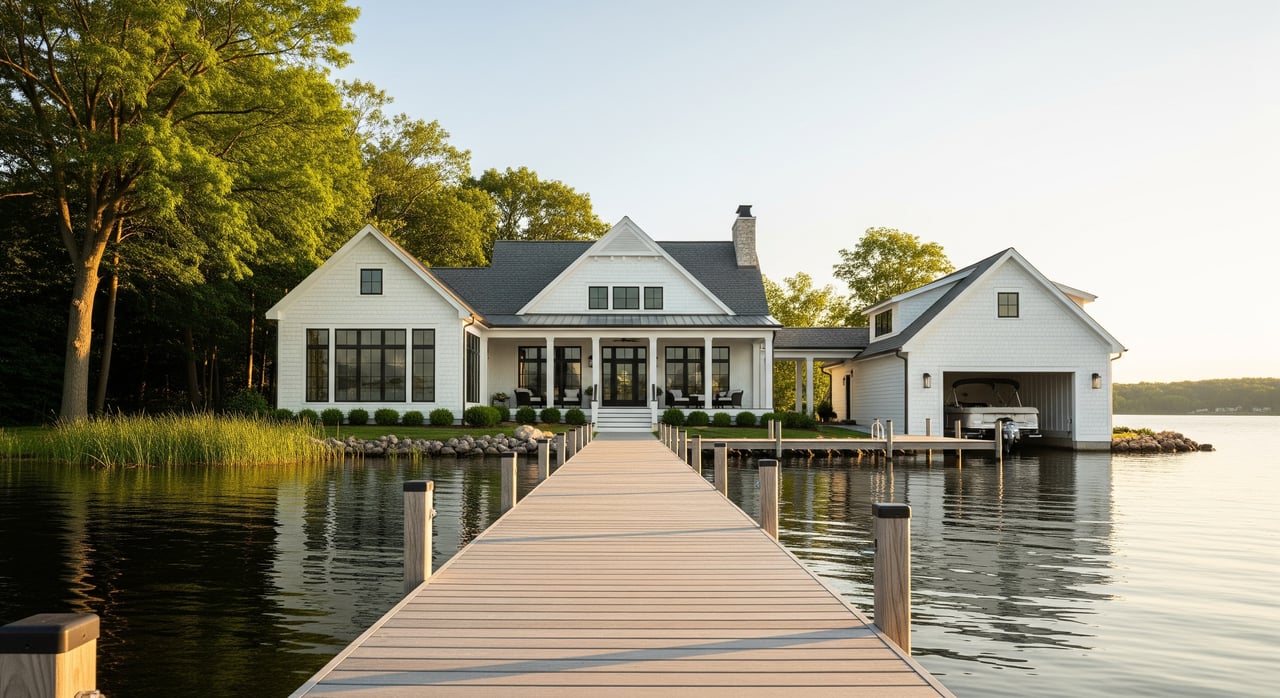
Dreaming of morning coffee on the dock and sunset cruises on Winona Lake? Buying lakefront property is exciting, but it comes with extra rules, inspections, and long-term upkeep that are different from a typical home. This guide breaks down what you need to know about local permits, shoreline health, docks, seasonal maintenance, insurance, and a clear step-by-step plan. By the end, you will feel prepared to shop with confidence and make a smart offer. Let’s dive in.
Understand local rules and permits
Know who regulates what
Lakefront homes on Winona Lake fall under several layers of oversight in Kosciusko County. Your parcel may be inside the Town of Winona Lake limits or in unincorporated county territory near Warsaw. Confirm jurisdiction early and plan to check with:
- Kosciusko County Planning and Zoning and the Building Department for setbacks, land use, and building permits.
- Kosciusko County Health Department for septic inspections, approvals, and capacity questions.
- Town or city offices for local ordinances, pier and shoreline rules, and any special assessments.
- Indiana Department of Natural Resources for guidance and permits related to shoreline work and aquatic habitat.
- U.S. Army Corps of Engineers if planned work could impact navigable waters or wetlands.
- FEMA Flood Map Service Center for flood zone designations that affect insurance and lending.
Local rules can differ from one side of the lake to the other. Always confirm the exact municipal authority for the specific address you are considering.
Common lakefront restrictions
Most lakefront parcels have extra limitations designed to protect water quality and reduce erosion.
- Setbacks and vegetation buffers. Expect limits on structures and grading near the water. Removing native plants can trigger enforcement and restoration requirements.
- Docks, boathouses, and piers. Adding or changing a dock often needs approval. Rules can differ for fixed versus floating docks, and some lakes limit dock length or the number of docks per parcel.
- Wetlands and dredging. Clearing aquatic plants, dredging, or altering the shoreline usually requires permits. Unauthorized work can lead to costly remediation.
- Septic systems and wastewater. Many lake homes rely on septic. System age, location, and capacity are critical for current and future use.
- Flood zones and insurance. FEMA maps determine whether flood insurance is required by a lender and help estimate premium ranges.
- Easements and riparian rights. Access, docking, and mooring can be affected by recorded easements or association rules. A title review clarifies what you actually control.
Bottom line: check permit history and compliance before you plan changes to the shoreline, dock, or structures.
Evaluate the shoreline and lot
Shoreline type and stability
Winona Lake properties feature a mix of natural banks, sloping lawns, riprap, or seawalls. Look closely for:
- Erosion, including exposed roots, undercut banks, or slumping soil.
- Bulkhead or seawall condition, especially signs of bowing, cracking, or settling.
- Presence of native vegetation buffers, which help stabilize soil and filter runoff.
If you see red flags, consider a professional shoreline inspection. Repairs and replacements can be significant and may require permits.
Elevation and flood risk
Low-elevation lots close to the waterline face higher flood risk during storms or high-water events. Even if the home is not in a mapped high-risk FEMA zone, ask for historical high-water information and photos. Review how utilities, mechanicals, and storage areas are elevated or protected.
Frontage and access you can actually use
A parcel might show 100 feet of frontage on paper, but usable access depends on slope, depth, and obstructions.
- Check for shoals, shallow water, or dense shoreline vegetation.
- Understand how neighboring docks, vegetation, or association rules affect access.
- Confirm depth off the dock for your preferred boat type.
Soils, basements, and groundwater
Lakeside soils can include a high water table. If the home has a basement or crawlspace, verify waterproofing, sump systems, and drainage. Ask about any history of groundwater intrusion. Soil conditions also affect septic placement options and any future additions you might consider.
Aquatic vegetation and water quality
Seasonal weeds or algae can affect boating and swimming. Management often requires approval. Ask the seller for recent history of aquatic vegetation, any treatments performed, and general water clarity during peak summer.
Docks, boat access, and boathouses
Types and ownership
You will find private, shared or association, and municipal dock options. Confirm whether the existing dock is included in the sale, properly permitted, and compliant or grandfathered. Make sure the purchase agreement is clear about dock, lifts, and related equipment.
Permits and placement
Adding, moving, or replacing a dock can trigger local and state review. Fixed and floating docks have different impacts and different rules. Some associations limit dock size or placement to preserve navigation. If a boathouse or permanent waterfront structure is on your wish list, verify zoning, setback rules, and approvals before you assume it is allowed.
Condition and seasonal care
In northern Indiana, many docks are removed in fall or secured for winter ice. Inspect pilings, decking, fasteners, anchoring, and electrical. Ask how the current owner handles winterization and reinstallation each year, and what it costs.
Budget and insurance
Dock work, replacements, and lift systems can be meaningful line items. Insurance policies vary on docks and boathouses, especially for ice or wave damage. Review your coverage limits and exclusions in detail.
Seasonal maintenance and insurance
What to expect each season
Owning a lake home adds a few recurring tasks. Plan time and budget for:
- Spring: shoreline cleanup, dock installation or inspection, septic check, and landscaping recovery.
- Summer: vegetation management where approved, routine dock maintenance, and pest control.
- Fall: dock removal or securing for ice, winterizing exterior plumbing and irrigation, and yard cleanup to limit nutrient runoff.
- Winter: monitoring for ice-related movement that can stress docks and shore structures.
Big cost drivers include dock work, shoreline stabilization, septic maintenance, and potentially higher insurance and taxes for waterfront.
Winterization for Winona Lake
As temperatures drop, remove boats for dry storage or shrink-wrap as preferred. Protect exterior water lines and irrigation systems by shutting off and draining them. If your dock stays in, confirm the design is intended for ice and verify how the owner mitigates ice shove risk.
Insurance essentials
A standard homeowner policy may limit or exclude water damage and flood. Depending on flood zone and lender, you may need a flood policy through the National Flood Insurance Program or a private carrier. Ask about watercraft liability, coverage for docks and lifts, and any endorsements for sump pump or sewer backup. Get insurance quotes early to confirm availability and cost before you make an offer.
Market realities and timing
Lakefront inventory around Winona Lake is often tight, with demand rising in spring and early summer. Unique parcel features make comparable sales less straightforward than for in-town homes. Pricing can reflect frontage quality, water depth, view corridors, and the condition of shoreline structures. Work with a local agent who understands waterfront comps in Kosciusko County and can move quickly when the right property appears.
Step-by-step buying plan
Follow this simple plan to reduce surprises and negotiate with confidence:
- Get pre-approved and ask your lender about any waterfront requirements.
- Hire a local agent with Winona Lake experience.
- Review title and deed language for riparian rights, easements, and any HOA or lake-association rules.
- Order inspections: general home, septic, shoreline or erosion, dock or marine, and boathouse structure if present.
- Obtain a current survey showing boundaries, shoreline, and any encroachments.
- Pull permitting history for docks, bulkheads, seawalls, and shoreline modifications.
- Review flood exposure with FEMA mapping and ask for historical high-water photos or data.
- Request maintenance records for septic pumping, shoreline repair, dock service, and any aquatic vegetation treatments.
- Get insurance quotes and use an appraiser familiar with waterfront if your lender requires it.
- Build a first-year budget that includes seasonal maintenance and any needed repairs.
Professionals to engage early
- Local real estate agent focused on Winona Lake and Kosciusko County waterfront.
- Title company experienced with shoreline easements and riparian rights.
- Licensed septic inspector and the Kosciusko County Health Department.
- Structural or shoreline engineer for erosion or bulkhead concerns.
- Dock contractor familiar with local permitting and winter practices.
- Insurance agent knowledgeable about inland-lake policies and NFIP options.
How The Barrera Team helps you buy with confidence
Buying on Winona Lake should feel exciting, not overwhelming. You deserve clear answers, fast communication, and a data-informed plan from the first tour to the closing table. The Barrera Team delivers full-service guidance, from organizing showings and coordinating inspections to tracking key dates and documents so your purchase stays on course.
You also get local market insight across Warsaw, Winona Lake, and greater Kosciusko County, backed by a high-volume track record and bilingual service in English and Spanish. We combine neighborhood-level expertise with national visibility to help you secure the right lake home at the right time.
Ready to explore lakefront opportunities with a team you can trust? Connect with The Barrera Team to start your Winona Lake search today.
FAQs
What permits do I need to modify a dock on Winona Lake?
- Dock changes commonly require local approval and may need state review; confirm with Kosciusko County permitting and the Indiana DNR before starting work.
How do I know if a Winona Lake home requires flood insurance?
- Check the FEMA flood maps for the parcel and ask your lender; if it is in a mapped high-risk zone and you finance the purchase, flood insurance is typically required.
Are septic systems common around Winona Lake and what should I check?
- Many lake homes use septic; verify system age, location, capacity, and recent inspection or pumping records through the Kosciusko County Health Department process.
Is a dock always included when buying a lakefront home?
- Not always; confirm inclusion in the listing and purchase agreement, and verify the dock’s permit status and whether any association or public rights affect it.
What seasonal costs should I budget for as a new lake homeowner?
- Plan for dock installation or removal, shoreline maintenance, septic pumping, vegetation management where permitted, and potentially higher insurance and taxes.
Can I build a boathouse on my Winona Lake lot?
- It depends on zoning, setbacks, and permit approvals; verify feasibility with local planning, the Indiana DNR, and any association rules before making plans.