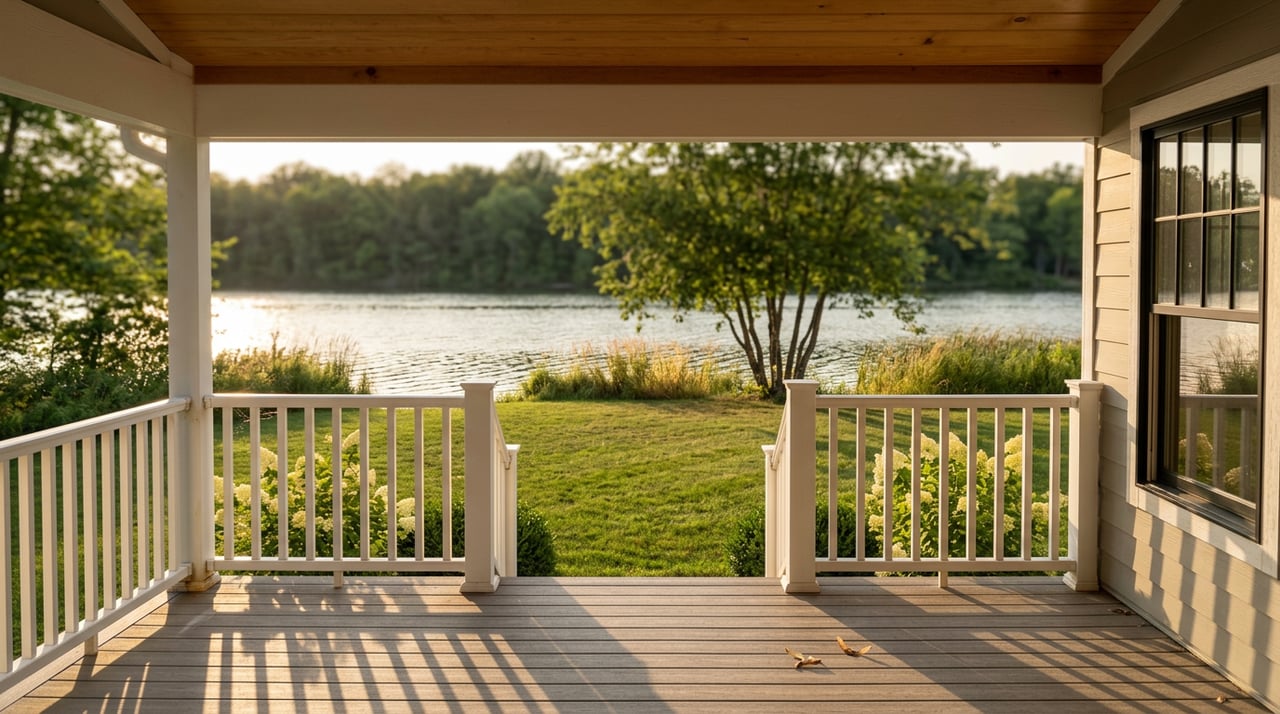
On April 7, 2026, water on the Tippecanoe Lake Chain came within an inch of major flood stage. The Watershed Foundation put it plainly: "the lake was just one inch away from reaching major flood stage classification." The next day, the Indiana DNR restricted boats to idle speed across the entire chain, including Lake Tippecanoe, James Lake, and Oswego Lake, exempting only law enforcement and emergency craft.
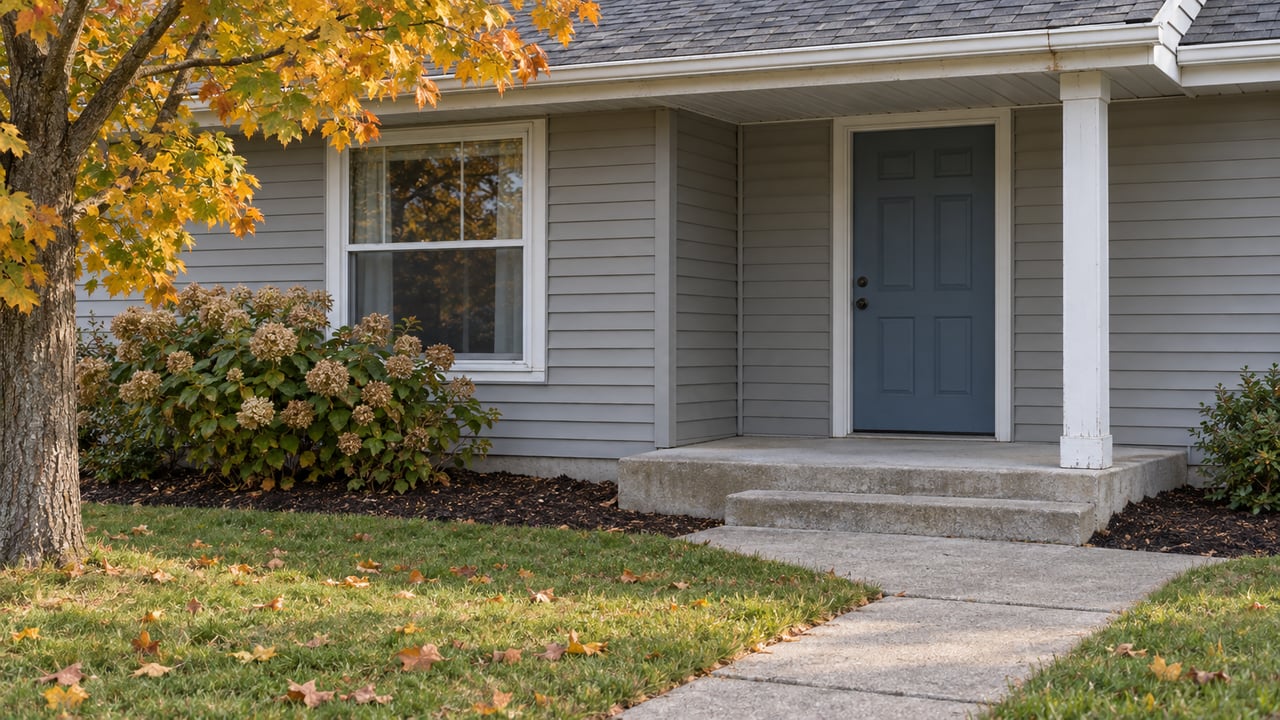
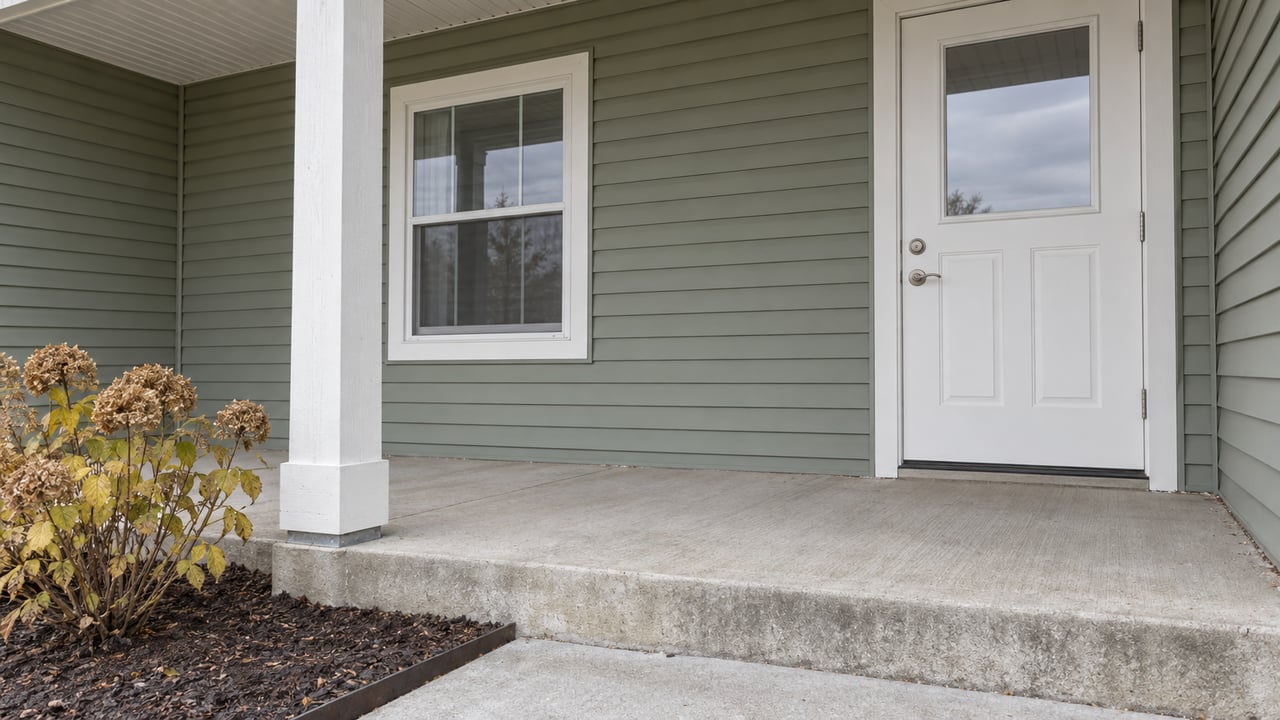
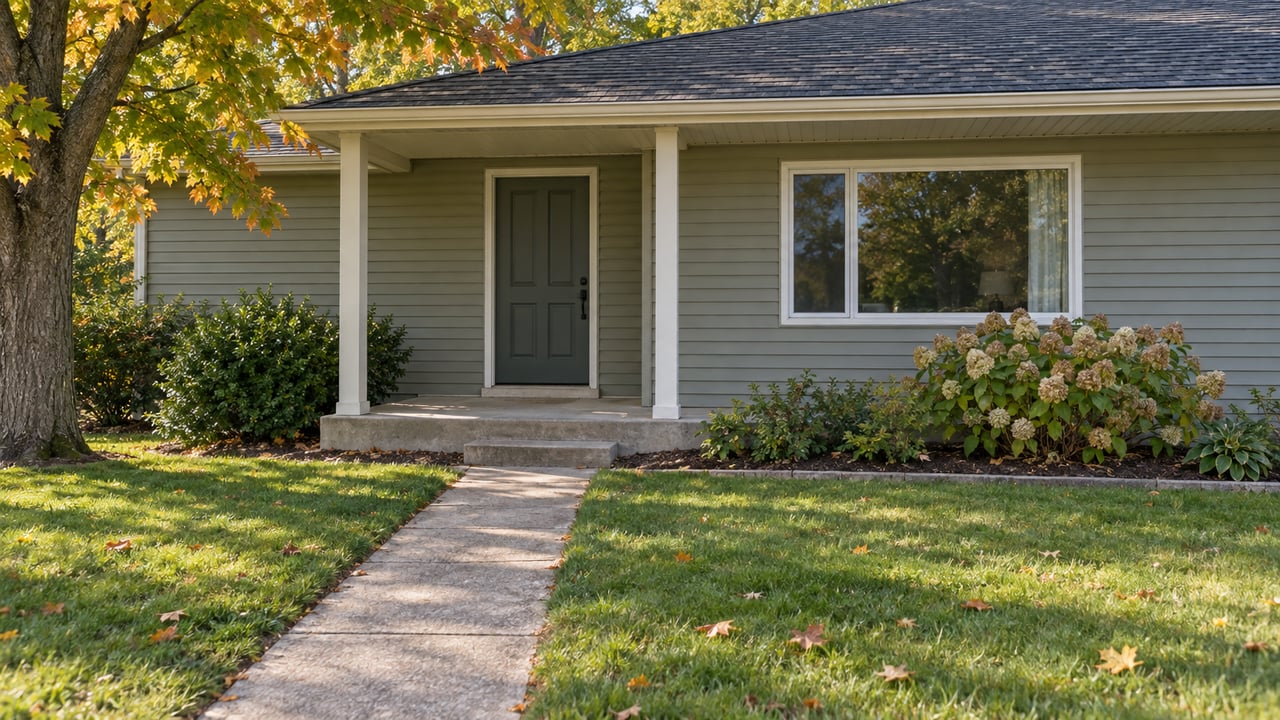
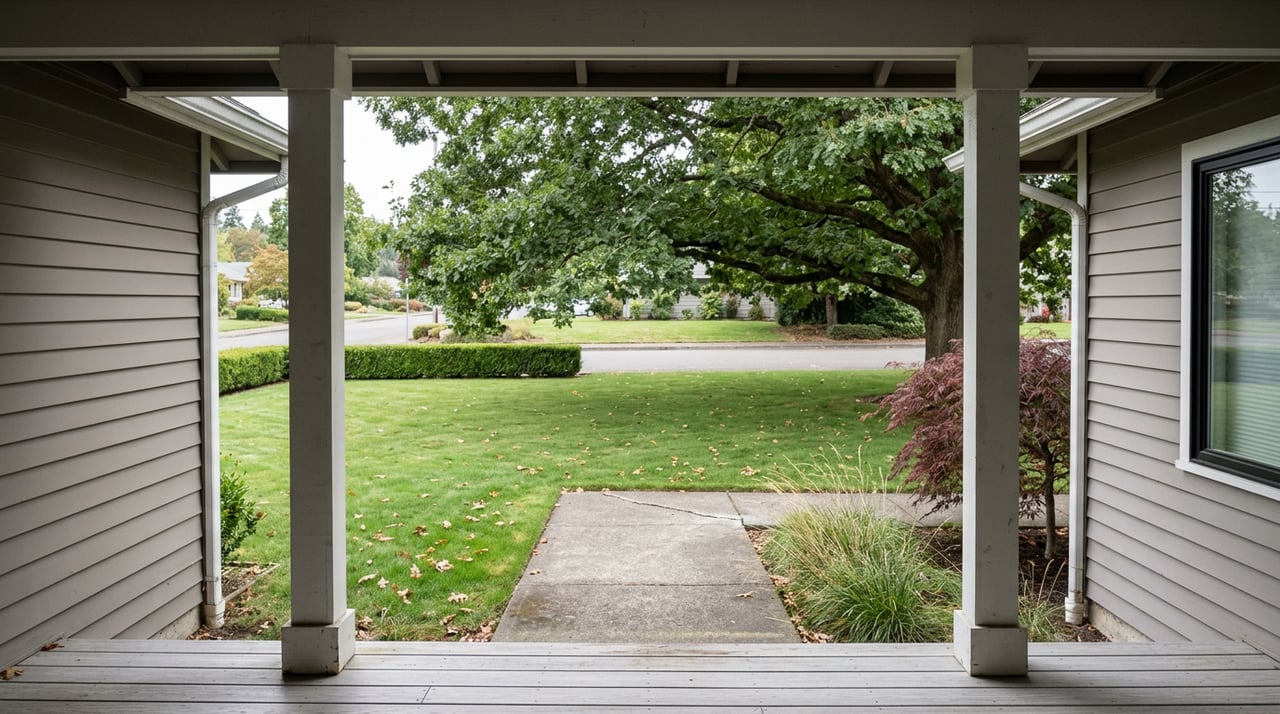
None of that shows up in a listing photo. It doesn't show up in a median price either. And that gap between what the numbers say and what actually happens on this lake is the reason a portal's "median list price" for Leesburg waterfront tells you almost nothing useful if you're seriously comparing this market to anywhere else in northern Indiana.
The Inventory Is Too Thin For A Median To Mean Much
Lake Tippecanoe is the deepest natural lake in Indiana, running 880 acres with pockets down to 123 feet. It sits in Leesburg, roughly between South Bend and Fort Wayne, and its shoreline holds recognizable local landmarks: Tippy Dance Hall, a 1950s building that once hosted acts like Duke Ellington and Louis Armstrong, plus the Tippecanoe Lake Country Club and Patona Bay Marina and Resort, which still runs boat rentals, dock space, and cottages on Patona Bay today.
What it doesn't have is much inventory. As of early August 2026, Leesburg's waterfront listings numbered 23 across the whole area, with a median list price around $209,000, a median time on market of 16 days, and just 2 recorded sales in the trailing month. On Lake Tippecanoe specifically, the number of homes and land parcels actually for sale at any given moment typically runs closer to a dozen of each.
A median built from a dozen sales is not a market signal the way a median built from a subdivision with hundreds of annual closings is. One large estate lot or one distressed fixer can move that number by tens of thousands of dollars without reflecting anything about where prices are actually trending. If you're pricing a Lake Tippecanoe purchase off the same portal median you'd trust in a Warsaw subdivision, you're applying subdivision math to a market that doesn't have subdivision volume.
Frontage Sets The Price, Not Square Footage
Ask anyone who has shopped this lake and they'll tell you the same thing: two homes with nearly identical square footage can carry wildly different price tags because of what's happening at the water's edge. Current listings on the lake span everything from roughly 50 feet of frontage on a small retreat to 440 feet on a nearly full-acre parcel, with lot depth, water clarity at the shoreline, and the condition of any existing dock or seawall doing more to set the number than the house itself.
That's a different pricing logic than a standard single-family sale, where an appraiser can pull five comparable closings within a half mile and adjust for finishes. Here, the "comp" a half mile away might sit on a channel with 30 feet of frontage while your target property has 150 feet on open water. Comparing them on a price-per-square-foot basis misses the entire point of buying on this lake in the first place.
A Natural Lake Plays By Different Rules Than A Reservoir
This is the part that trips up buyers moving in from other Indiana lake markets. Lake Tippecanoe is a natural lake, which means shoreline work is governed by the state's Lake Preservation Act, administered by the DNR Division of Water. Any activity at or lakeward of the legal shoreline generally requires written DNR authorization before you start, though a general license exists for temporary structures that meet specific criteria, including being easily removable.
Compare that to Lake Shafer or Lake Freeman in White County, both created by a hydroelectric dam. On those lakes, dock rights run through the utility's own permitting system rather than the state, and a permit does not automatically transfer to a new owner at closing. Buyers there have to separately verify permit status and transferability before they can assume a dock comes with the property.
Tippecanoe's system runs through a public agency, but that doesn't mean permit history stops mattering.
| Lake Tippecanoe (natural lake) | Lake Shafer / Lake Freeman (reservoir) | |
|---|---|---|
| Permitting authority | Indiana DNR, Lake Preservation Act | Check the local permitting authority |
| Temporary structure rule | General license exemption if easily removable | Check local requirements |
| What a buyer verifies | DNR authorization or exemption status for any permanent structure | Check local records |
Why This Spring's High Water Actually Matters To A Buyer
The April restriction wasn't a fluke. The Watershed Foundation's own explanation is that lakes like Tippecanoe sit at the bottom of a network of streams, ditches, and smaller lakes that all funnel rainwater downhill, so a heavy rain event upstream shows up as a fast rise in lake level. That's a structural feature of this watershed, not a one-time weather story.
For a buyer, that means the questions worth asking go beyond "is this waterfront" and into territory most out-of-town buyers never think to raise: What's the elevation of the lowest livable floor relative to the lake's flood stage? Has the seawall or dock ever taken damage during a high-water event? Is there a permit on file for the current dock? None of that is visible from the dock at golden hour, and none of it appears in a median price calculation.
What To Pull Together Before You Compare Prices Across Lakes
If you're weighing Lake Tippecanoe against another northern Indiana lake, whether that's Winona Lake, one of the Barbee Chain lakes, or somewhere further out, price per square foot won't get you an honest comparison. These documents will:
- A current survey showing the shoreline, the ordinary high-water mark, and any encroachments from neighboring docks
- DNR authorization records or general-license exemption status for any permanent dock, seawall, or bulkhead
- A septic inspection and pumping history through the Kosciusko County Health Department, since most lake homes here run on septic rather than municipal sewer
- The property's FEMA flood zone status and, if available, any elevation certificate on file
- A sense of the lake's recent water-level history, which groups like the Lilly Center for Lakes & Streams at Grace College track and publish for Lake Tippecanoe specifically
We walk buyers through this exact checklist for lakefront purchases across Kosciusko County, including a similar step-by-step for Winona Lake waterfront that covers riparian rights, title language, and inspection order. The permitting authority changes lake to lake. The discipline of checking it doesn't.
Frequently Asked Questions
Does every dock on Lake Tippecanoe need a DNR permit? Not necessarily. The state's general license allows temporary structures that meet specific conditions, including being easily removable, without a formal permit application. Permanent structures, or anything that doesn't meet the temporary-structure criteria, need written DNR authorization before construction begins.
Was the April 2026 restriction unusual for this lake? It reflects how the watershed is built more than any single storm. Lake Tippecanoe collects runoff from an extensive network of streams and ditches upstream, so heavy rain elsewhere in the watershed can push the lake level up quickly. The April order stayed in effect until the DNR determined conditions had improved enough to lift it, and the underlying pattern is worth understanding before you buy, not after.
If you're comparing Lake Tippecanoe to other waterfront options in Kosciusko County and want someone who can pull the permit history, the survey, and the comps that actually apply to your target property, The Barrera Team has handled lakefront transactions across Warsaw, Winona Lake, and Leesburg for years, in English and in Spanish. Reach out for a free home valuation and a straight answer on what a specific piece of shoreline is actually worth.
This article is general information, not legal, tax or financial advice. Consult a qualified professional about your situation.